
Table of Contents
You must have heard about the background verification process after the hiring. But have you heard about the background verification during your screening round? Though it is not rocket science, but a new concept which recruiters and employers have started practising.
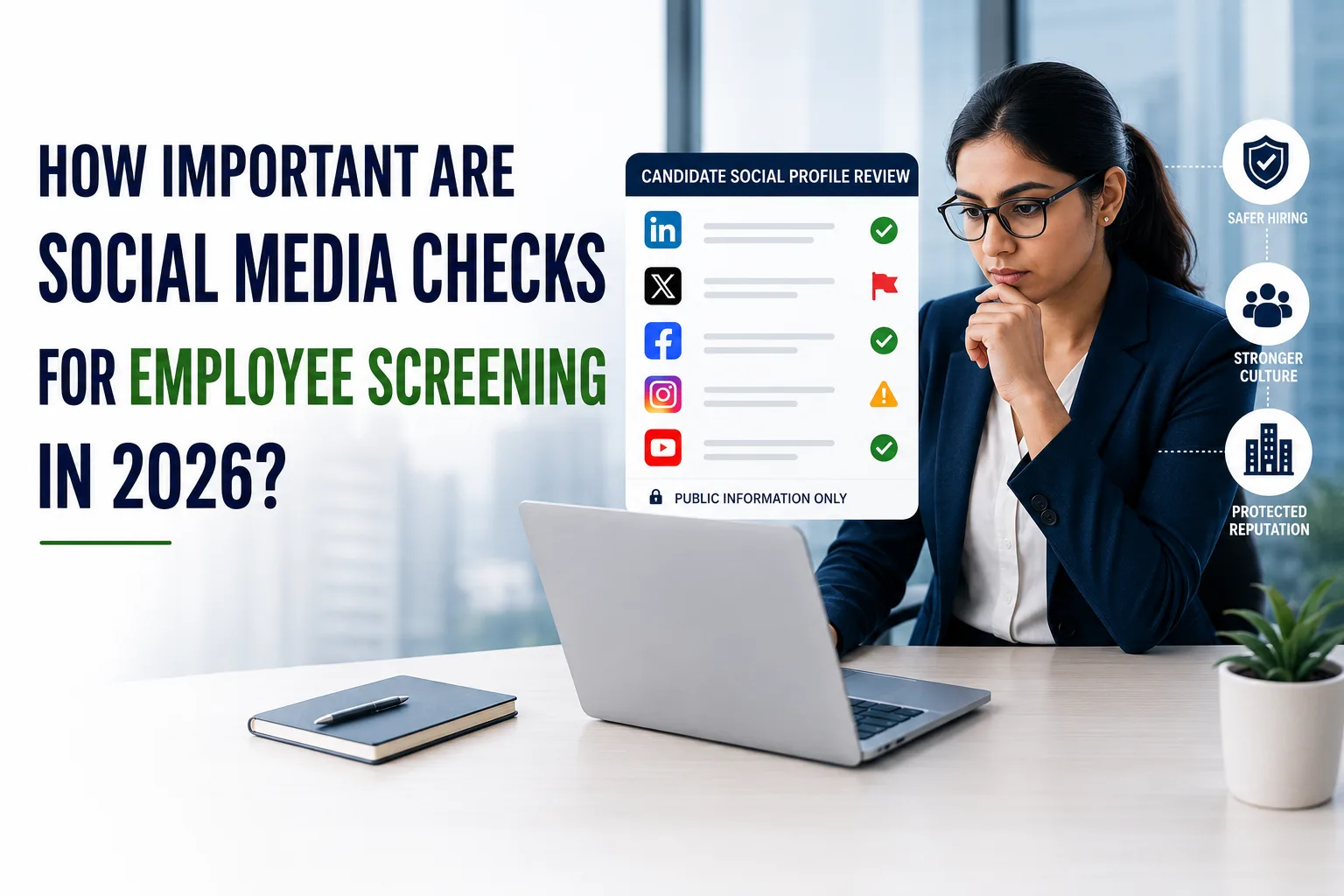
It is done to make sure an individual who is qualified, trustworthy, and has a clean record joins the workforce. Thus, in this blog, we are going to discuss the importance of background verification, the types of BGV documents checked during the process, and what verification is involved during the screening.
Importance of Background Verification
You may think, is it necessary to do verification during the screening phase? But here is the thing: not conducting any verification and bringing just anyone without any prior knowledge can bring more consequences. Let’s understand the importance of background verification one by one:
1. Fraudulent Free Environment:
The organisations conduct background verification to tackle candidates with fraud, or fake qualifications and misleading work histories. It is important to investigate the information shared by the candidates, as hiring people with misleading work histories can become a potential threat to the organisation, as sensitive information can be leaked. This process makes sure that the information shared by the candidate is accurate and honest. It helps to build a trustworthy and credible workforce.
2. Ensuring Workplace Safety:
The managing element that concerns the company culture and allows for the greatest emphasis is safety within the workplace. Background verification is done to ensure that people who are being hired are indeed who they claim to be, and it goes a long way to reduce the chances of financial and reputational damage.
3. Protecting Reputation:
In the present time and day, damaging someone’s reputation is just a click away. Imagine if the organisation hires someone with a problematic history can create a lot of problems. It can also damage the company’s brand image, and one mistake can lead to legal issues, data breaches or negative publicity. The background verification has become an important step to stop future threats to reputation and the brand’s image.
4. Improving Hiring Decisions:
It is important to verify the information given by the job candidates, and this is where understanding the BGV meaning becomes crucial. Their hiring decisions can be more educated. Background verification, filtering out candidates who are too qualified or overqualified for the company, helps qualify or non-qualify candidates, thus decreasing turnover, employee dissatisfaction, and loss in productivity.
Types of BGV Documents Checked During Screening Round
To check the authenticity of a candidate’s profile, the BGV is important. The following are the BGV documents which will be verified:
- Identity Proof: The authorities will check your government-issued IDs, such as your passport, Aadhaar Card, PAN Card, or Voter ID, to verify the candidate’s identity and nationality.
- Address Proof: Utility bills, rent agreements, or an Aadhaar Card will be reviewed to verify the address. It is to make sure that the company have real addresses with them to communicate during the tenure.
- Education Certificates: Degree certificates and mark sheets will be verified if they are from recognized universities as mentioned in the certificate, and some companies even verify them directly with educational institutions.
- Employment Records: The offer letter (of previous employer), experience letters, relieving letters, and salary slips help to verify the candidate’s past employment details and tenure.
- Reference Check: Personal and professional references are contacted to assess the candidate’s character and work ethic.
Is Background Verification Essential During Screening?
Usually, when you apply for a job, first, the employer will review your resume. If it fits their requirement, then there will be a screening of the profiles. Later, after two to three interview rounds, one will receive an offer. The individual who is selected during the last stage will have to go through background verification.
However, we are discussing employee background verification during the screening round. Well, not all the applicants have to go through the BGV, but a selected few do. Interestingly, companies have started conducting background verification even before interviews begin.
It includes quick checks on employment history, criminal records, or education, and it is done to make sure that only genuine profiles move forward. The candidate has to share several BGV documents and give some contact for reference checks.
Initial background verification helps companies save time and resources by filtering out candidates with discrepancies right at the start.
How to Prepare For Employee Background Verification?
For Employers:
It is important to be transparent during the interview stage. Mention the BGV policy at the end of your job description in short form so candidates are aware that they are required to go through the background verification process.
Explain to the selected candidates that this is a protocol; it does not invade their privacy, and all information is kept confidential. Make them comfortable and aware of the entire process.
During background verification, share a form or list of documents they need to submit to verify their information. In case if the candidate does not have a certain document, give them the alternate option. Inform and communicate through email with clarity.
For Employees:
It is important to share the relevant information and documents with your employer. Maintain transparency and authenticity during the hiring stage. During background verification, try to understand which information is required to fill out and which documents are required to share.
Prepare the list of documents and keep a soft copy in a sequence, and share it in the required format (PNG or PDF). Later, share the required documents as stated by the human resource or talent acquisition specialist.
Read More – Understanding the Background Verification (BGV) Process: Steps, Documents & More
Conclusion:
One may think is background verification is really necessary? But from an employer’s point of view, it is important to make sure that the new talents hired on the team come with a clean history and do not become a threat to the present employees or everyone. From an employee’s point of view, conducting a background verification makes sure that the employee gets to work in an organisation where people come with a clean track record, and do not indulge in crime or misleading projects.